Campsite Accident Claims
Start your claim
Start Your Holiday Claim
Complete our quick enquiry form and a specialist member of our team will contact you to provide free expert advice.

Injured while staying at a campsite?
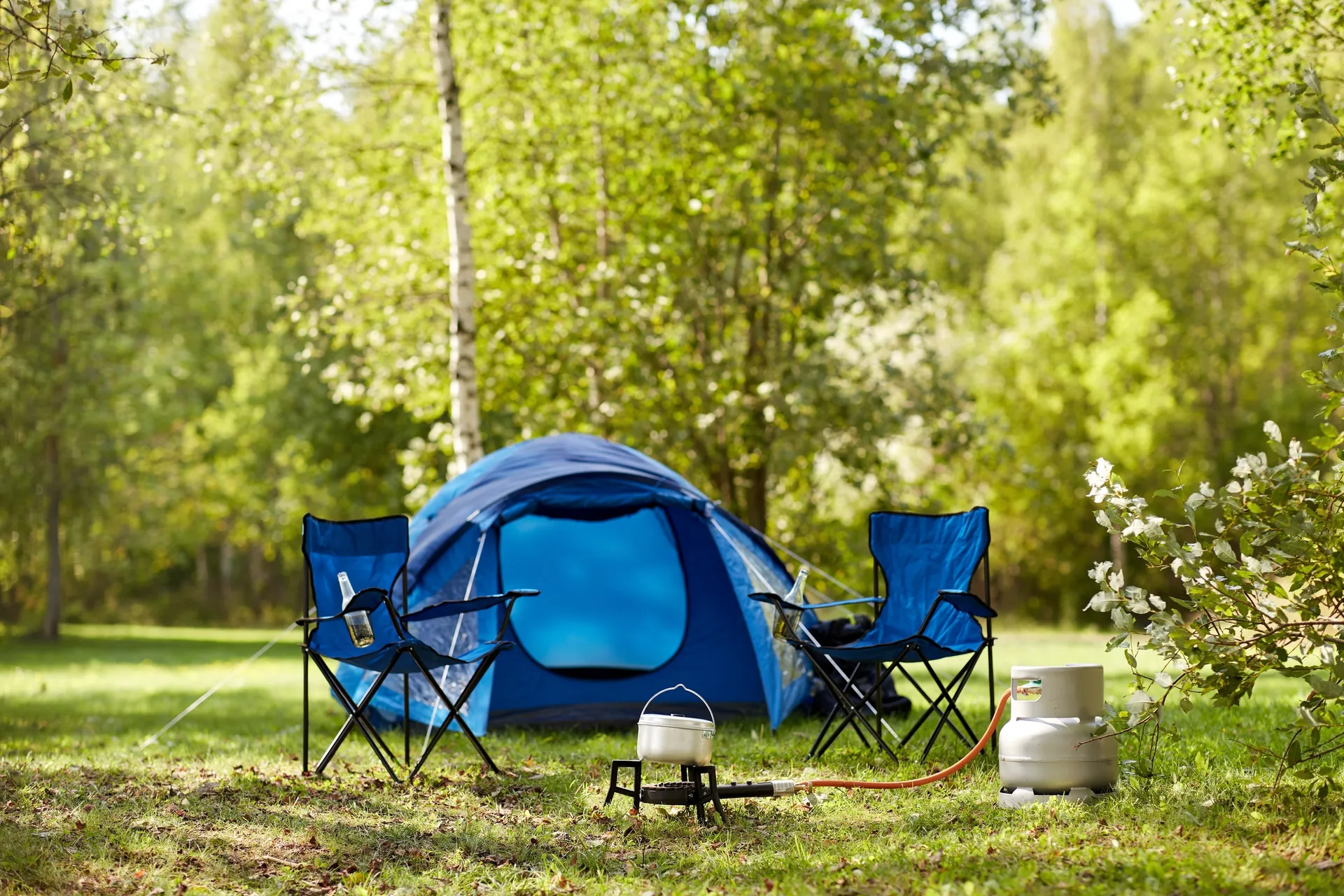
Campsites offer a different type of holiday from hotels, caravan parks and larger holiday resorts. Guests may sleep in tents, campervans, touring caravans, glamping pods or other outdoor accommodation while sharing paths, washing facilities, electrical points and access roads.
The outdoor nature of a campsite does not remove the operator's responsibility to take reasonable steps to protect guests from avoidable hazards.
Campsite claims can involve the condition of the pitch, communal facilities, electrical connections, site roads, outdoor equipment or accommodation supplied by the operator. The central question is whether the campsite took reasonable steps to identify and control hazards affecting guests.
Claims may involve traditional tent campsites, touring sites, farm campsites, woodland campsites and glamping resorts in the UK or abroad.
Whether you were staying in your own tent, a touring caravan, campervan or accommodation supplied by the site, our specialist solicitors can review what happened and explain whether compensation may be pursued.
Start your claim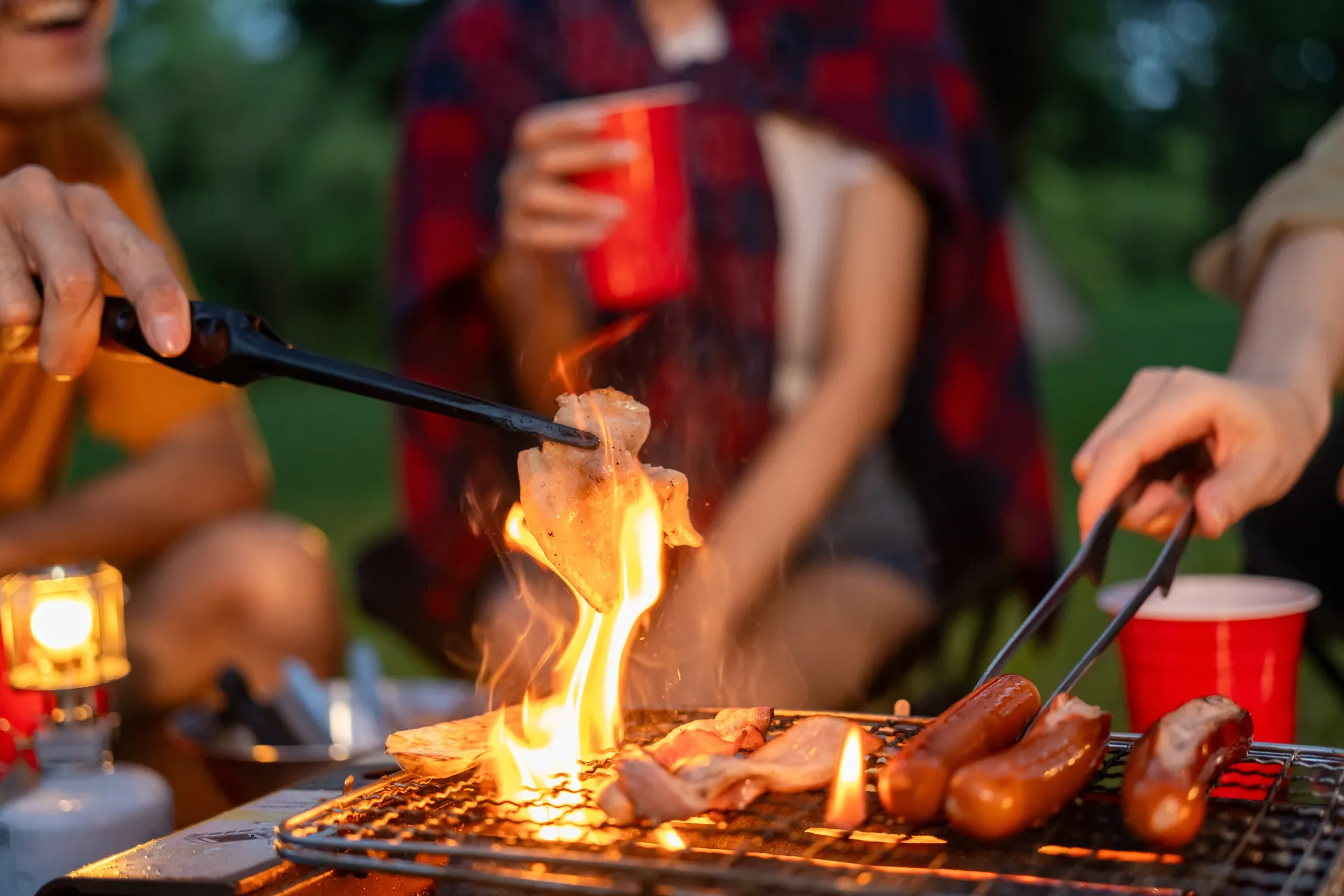

 5.0 | 77 reviews
Campsite Accident Success Stories
See compensation secured following accidents at campsites and glamping resorts.








Think You May Have a Claim?
If your holiday was affected by something that should have been prevented, the next step is to get clear advice on whether you may be entitled to compensation.

Common types of campsite accident claims
Campsite accidents can happen across pitches, shared facilities, site roads and outdoor recreational areas.
Common campsite accident claims may involve:
- Slips, trips and falls on uneven ground
- Muddy, flooded or poorly drained walkways
- Accidents in communal showers and toilet blocks
- Faulty electrical hook-up points
- Injuries caused by falling trees or branches
- Vehicle accidents on campsite roads
- Reversing vehicle collisions
- Dog bites or animal-related injuries
- Defective campsite equipment
- Unsafe play areas
- Illness linked to unsafe drinking water
- Poorly maintained waste disposal or sanitation facilities
- Accidents involving hired tents or glamping accommodation
Some accidents may result from a single defect, such as a broken shower tile or exposed electrical connection. Others may involve wider failures in site maintenance, lighting, drainage, traffic management or supervision.
An accident occurring outdoors does not automatically mean nobody was responsible. Where a hazard should reasonably have been identified, repaired, removed or clearly marked, there may be grounds to pursue compensation.
Start your claim
Uneven pitches, guy ropes and poorly maintained pathways
Campsite ground will naturally vary, but operators should still take reasonable steps to identify dangerous conditions and provide safe access to pitches, shared pathways and communal facilities.
Campsite slip, trip and fall claims may involve:
- Deep holes or concealed dips in the ground
- Damaged or uneven pathways
- Poorly maintained steps
- Muddy or waterlogged access routes
- Inadequate drainage
- Loose gravel or unstable surfaces
- Poor lighting around pitches
- Unmarked changes in ground level
- Obstructions left on routes used by guests
- Unsafe access to toilet or shower blocks
Not every trip over a tent peg or guy rope will lead to a valid claim. Responsibility will depend on who placed the hazard, where it was positioned and whether the campsite had taken reasonable steps to keep shared access routes safe.
Where dangerous ground conditions, poor lighting or inadequate site layout caused an avoidable fall, our specialist solicitors may be able to assess whether you have grounds to pursue compensation.
Shower block, toilet and electrical hook-up accidents
Communal shower and toilet facilities are used frequently throughout busy camping periods and should be cleaned, inspected and maintained to a reasonable standard.
Campsite facility accident claims may involve:
- Slippery shower room floors
- Broken or loose tiles
- Defective shower fittings
- Unsafe hot water temperatures
- Damaged toilet facilities
- Poor drainage or standing water
- Inadequate lighting
- Broken doors, locks or handrails
- Exposed wiring
- Faulty sockets
- Defective electrical hook-up points
- Electric shocks caused by unsafe equipment
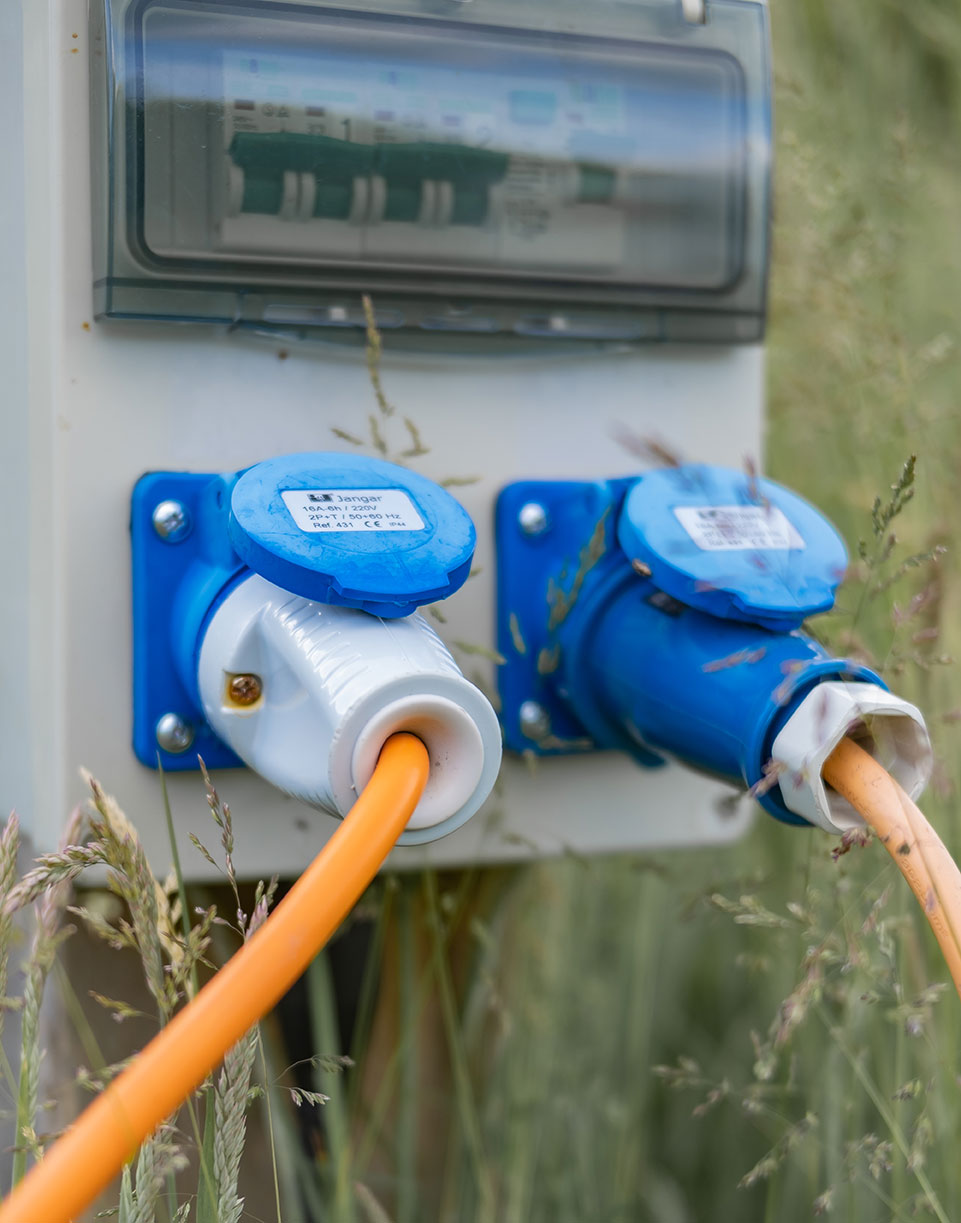
Electrical hook-up areas can present serious risks where connections are damaged, poorly maintained or exposed to water. Campsite operators should also provide clear instructions where guests are expected to connect their own touring caravans, campervans or equipment.
Accidents in communal facilities may cause fractures, head injuries, cuts, burns, scalds or electrical injuries.
Where a shower block, toilet facility or electrical connection was not maintained safely, compensation may potentially be pursued.
Glamping pod, safari tent and bell tent accident claims
Glamping sites may provide pods, cabins, yurts, safari tents, bell tents and other furnished accommodation. Claims may arise where supplied accommodation contains unsafe steps, defective flooring, faulty electrics, broken furniture, inadequate lighting or unsafe heating and cooking equipment.
Responsibility may depend on who owned, supplied and maintained the accommodation. Our specialist solicitors can review the booking arrangements and help identify who may be responsible.
Fires, barbecues, trees and vehicle hazards at campsites
Fires, cooking areas, mature trees and moving vehicles create risks that are particular to outdoor camping environments. Campsite operators may need to inspect trees, maintain communal cooking facilities, manage traffic and provide clear safety information where guests are exposed to these hazards.
Campsite accident claims may involve:
- Falling trees or branches
- Injuries caused by unsafe picnic or seating areas
- Vehicle accidents on campsite roads
- Reversing vehicle incidents
Not every outdoor accident will result in a valid compensation claim. However, campsite operators should take reasonable steps to inspect trees, maintain shared areas, manage vehicle movements and reduce avoidable risks where guests are expected to gather.
Where inadequate maintenance, poor site management or unsafe facilities caused your injury, compensation may potentially be pursued.
Responsibility may be different where the accident was caused by equipment brought and controlled entirely by another guest. Each claim will depend on who created the hazard, who controlled the area and whether the campsite could reasonably have prevented the incident.
Where camping forms part of a wider holiday park, similar principles may also apply to caravan park accident claims.
What evidence may support a campsite accident claim?
Evidence can help establish how the accident happened, who may have been responsible and how the incident affected your holiday and wider life.
Helpful evidence may include:
If possible, it can also help to report the incident to campsite staff as soon as possible and request that it is formally recorded.
Where the accident involved uneven ground, defective electrical hook-ups, shower blocks, falling branches or damaged campsite facilities, photographs taken shortly after the incident can be particularly valuable.
You do not need to have gathered every piece of evidence before contacting us. Our specialist solicitors can explain what information may support your claim and whether records such as CCTV, maintenance documents or incident reports may still be available.
Who could be responsible for a campsite accident?
Responsibility will depend on where and how the incident occurred.
Our specialist solicitors can review the circumstances and help identify who may have been responsible for the injury or losses you suffered.
- Photographs of the accident location
- Photographs of the hazard or defect
- Photographs of injuries
- Medical records or hospital paperwork
- Accident reports completed on site
- Witness details
- CCTV footage where available
- Pitch allocation details or a campsite map
- Previous complaint or maintenance records where available
- Booking confirmations or proof of stay
- Correspondence with the campsite operator
- Receipts for treatment or expenses
- Evidence of lost earnings
- Evidence of disrupted holiday arrangements
- The campsite operator
- A glamping accommodation provider
- A holiday company
- A maintenance contractor
- A food or catering provider
- An activity organiser
- Another organisation responsible for the area where the accident happened
How much compensation could be claimed following a campsite accident or illness?
The amount of compensation that may be awarded depends on the nature of the incident, the seriousness of the injury or illness and the wider impact it had on your life.
Factors that may affect compensation include:
- The severity of the injury or illness
- Whether hospital treatment was required
- Any ongoing symptoms or complications
- Emotional distress caused by the incident
- Lost earnings or time away from work
- Medical expenses and treatment costs
- Travel expenses linked to treatment or recovery
- Damage to camping equipment or personal belongings
- Replacement accommodation costs
- The impact the accident had on your holiday
Campsite claims can range from relatively minor injuries or short-term illness through to fractures, burns, electrical injuries, head injuries and serious conditions requiring ongoing treatment.
Compensation may also take account of financial losses arising from the accident, including treatment costs, travel expenses and reasonable out-of-pocket costs linked to a disrupted holiday.
At Holiday Claims Bureau, our specialist solicitors assess every case individually.
We handle campsite accident claims on a No Win No Fee basis, meaning there is no upfront cost to discuss your case with our team.
Why choose Holiday Claims Bureau for your campsite accident claim?
Campsite accident claims often depend on understanding how the site was managed, whether hazards should have been identified sooner and who was responsible for maintaining the area where the accident happened.
Holiday Claims Bureau understands how accidents can occur across traditional campsites, touring sites and outdoor holiday accommodation throughout the UK and abroad.
Our team can help with:
- Campsite accident claims
- Tent, touring campsite and glamping accidents
- Shower block and communal facility injuries
- Electrical hook-up accidents
- Fire pit and barbecue injuries
- Falling tree and grounds maintenance claims
- Slips, trips and falls
- Unsafe water and campsite sanitation claims
- Evidence gathering and claim support
- No Win No Fee representation
We understand how disappointing it can be when a camping holiday is disrupted by injury, unsafe conditions or poor site maintenance.
Our role is to identify what went wrong, who may be responsible and whether compensation can be pursued for the injury, illness or financial losses caused.
Meet the Team Behind Your Claim
Our clients often mention their solicitor and case handler by name in their feedback — and that means a great deal to us. Your claim will be handled by an experienced, dedicated team who will explain the process clearly, respond promptly and keep you informed every step of the way.
Hotels, Resorts and Travel Company Claims
Where you stayed, how you booked and who provided each part of the holiday can all affect your claim. We identify who may be responsible and the most appropriate route for pursuing compensation.
Claims by Destination
We handle illness and accident claims arising in a range of holiday destinations, including cases involving unsafe hotels, resorts, restaurants, swimming pools, excursions and other holiday services.
Package Holidays & Travel Companies
We specialise in claims for holidaymakers who booked their package holiday directly with a tour operator and suffered illness, an accident, an allergic reaction or a bed bug infestation while on holiday. Our specialist solicitors can assess what happened and advise whether you may be entitled to compensation.

Hotels, UK Breaks and Accommodation
Not every claim involves an overseas package holiday. We also advise on unsafe hotels, holiday parks, caravan parks, campsites, Airbnb stays and other accommodation in the UK or abroad.
Think You May Have a Claim?
No Win No Fee advice

How Your Holiday Claim Works
Clients often describe our service as smooth and straightforward. We explain each stage, handle the legal work and keep you informed throughout the claim.
Start your claimFrequently Asked Questions
Campsite accident claims can involve uneven pitches, communal shower blocks, electrical hook-ups, fire pits, falling trees, poor site maintenance and other hazards affecting campers, touring caravan users and glamping guests. Our FAQs answer some of the most common questions people ask after being injured while camping.
Learn more- The campsite operator
- A glamping accommodation provider
- A holiday company
- A maintenance contractor
- A food or catering provider
- An activity organiser
- Another organisation responsible for the area where the accident happened
- Report the incident to campsite staff
- Request that an accident report is completed
- Take photographs of the location and any hazards
- Keep booking confirmations and travel documents
- Collect witness details where possible
- Retain receipts for expenses or treatment