
 5.0
5.0 
Found what looks like a bed bug in your hotel room, or woken up with bites you can’t explain? You may be worried about where to sleep tonight and whether you’ll bring the problem home. Here’s what to do now, what to keep and who to tell.
1. Check what you’ve found
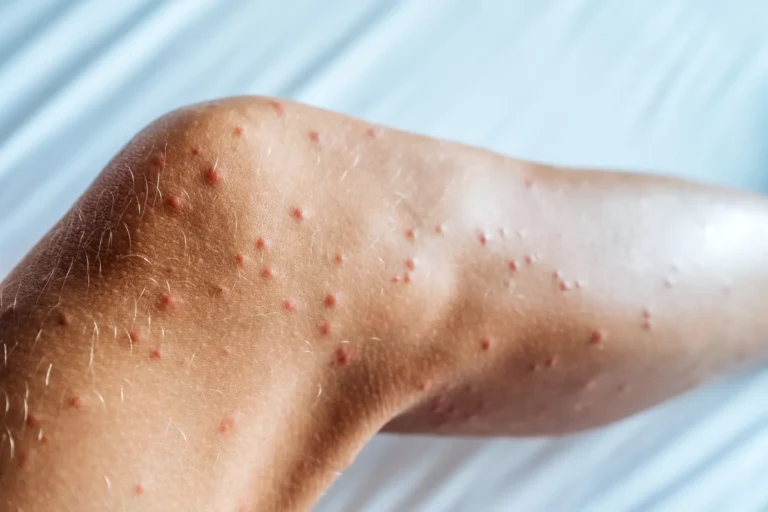
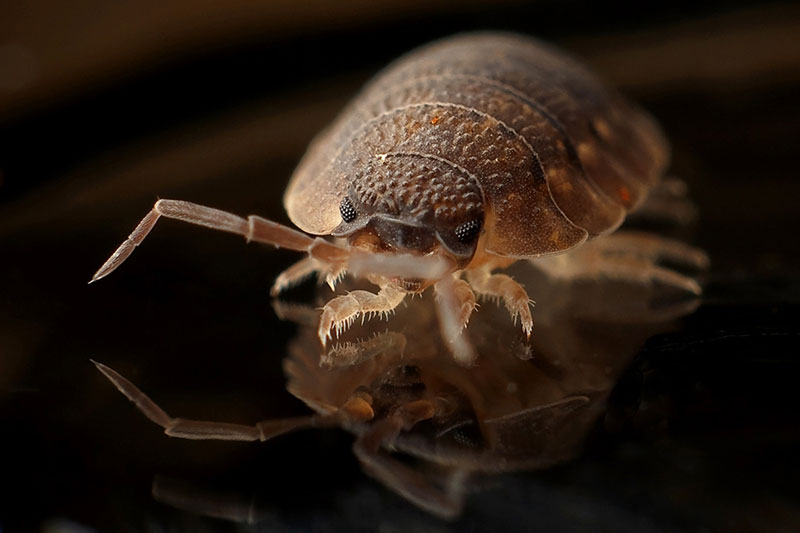
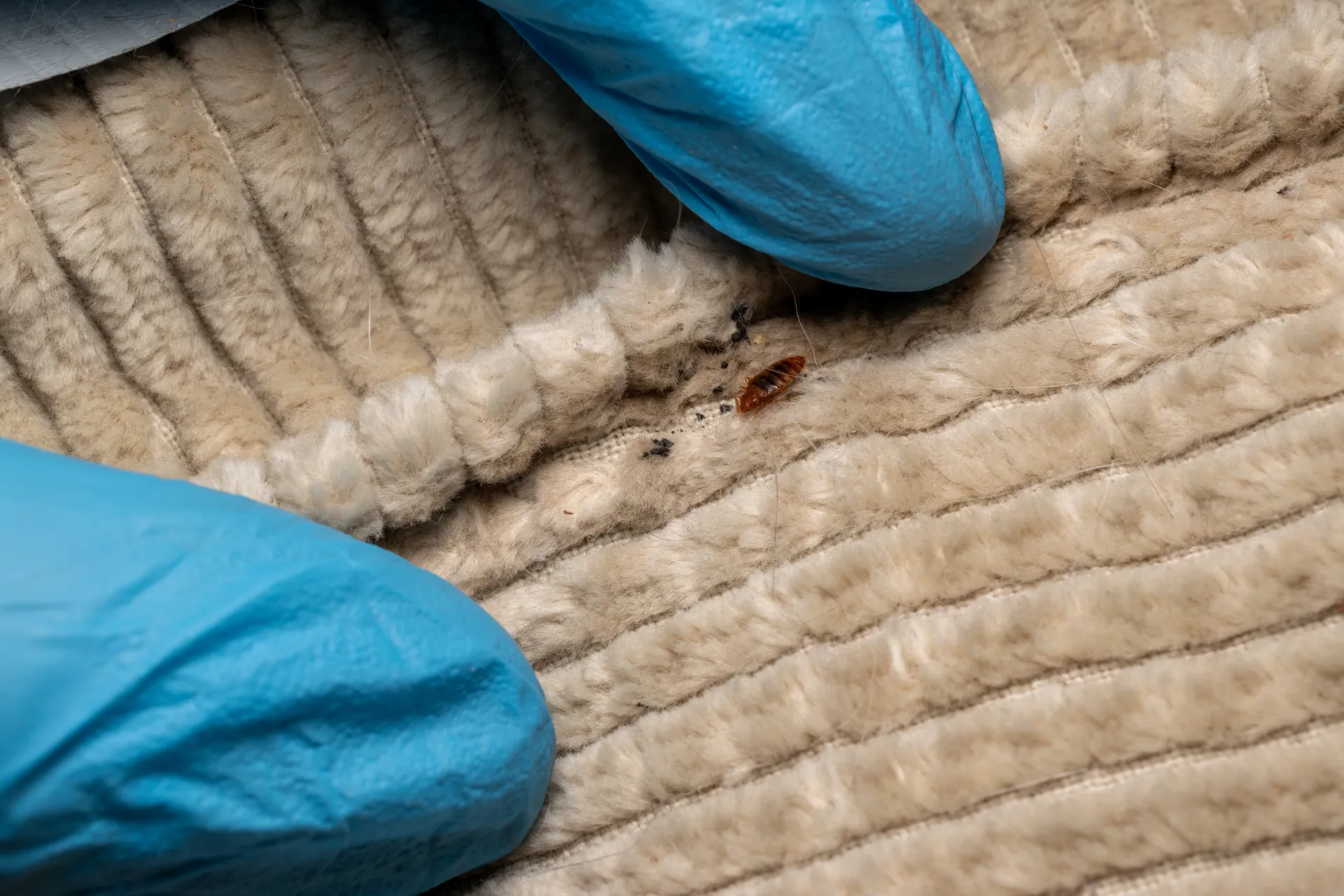
Look for small insects around the mattress and bed frame, blood spots on sheets, or brown marks on bedding and furniture. Itchy bites can appear in groups or lines, but their appearance alone cannot confirm bed bugs. The NHS guide has examples of the signs.
Photograph any marks on your skin as they develop. You do not need to handle insects, dismantle furniture or remain in a room that worries you to collect evidence.
2. Report the problem and ask for help
Tell the accommodation manager promptly. Ask for your complaint to be logged, an inspection and suitable alternative accommodation. Who else you should contact depends on how you booked:
| Your booking | Who to tell |
|---|---|
| Package holiday | Tell the hotel and your holiday organiser or its representative. Keep both updated about the problem. |
| Accommodation booked separately | Contact the accommodation provider. If you used a booking platform, report it through its support channel too. |
| Unsure how you booked? | Check your confirmation or ask the company you booked through. Report the immediate problem to the accommodation manager while you check. |
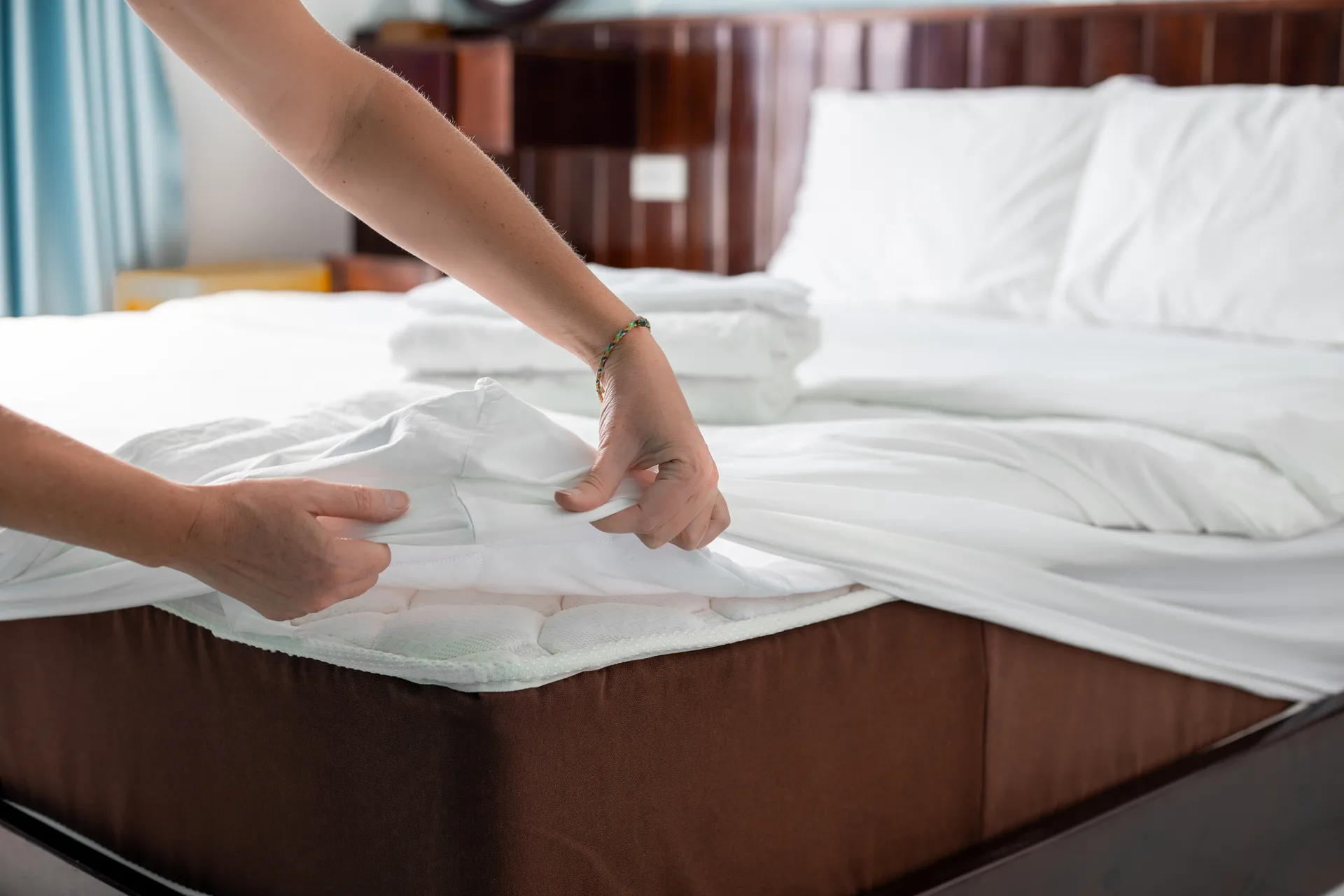
Ask staff to check any replacement room before you settle in. Save details of the alternatives offered and any extra costs. Citizens Advice explains how booking type affects your rights.
3. Look after the bites
A cool, damp cloth may ease itching or swelling. Keep the skin clean and try not to scratch. A pharmacist can advise on treatment. See a doctor if the bites remain very painful, swollen or itchy after trying pharmacy treatment, or if pain or swelling is spreading. If you’re abroad, seek advice from a local medical service.
If you receive treatment, keep the notes and receipts. For further guidance, see the NHS advice on bed bug bites. Difficulty breathing or sudden swelling of the mouth or throat needs emergency medical help: call 999 in the UK or the local emergency number abroad. See the NHS warning signs.
4. Keep these five things together
A folder on your phone or in your email is enough to get organised. Save what you already have:
- Photos and videos: the room, what you found and any visible bites.
- Your booking: confirmation, dates, accommodation name and room number.
- Messages and reports: who you told, their response and any offer they made.
- Treatment and expenses: medical notes, prescriptions and receipts.
- A short timeline: when the issue appeared, when you reported it and how it affected your stay.
Already home? Write down the dates and what happened while you can still remember it clearly. Save any messages you sent after your stay, along with photos, booking details and receipts. If you didn’t get an incident report at the hotel, you can still ask for advice about what evidence may help.
Missing something? Tell us what you do have. The team can explain what may still help; you do not need a complete set of documents before making an enquiry.
5. Check your belongings before bringing them home
Check luggage and clothing carefully before bringing them indoors. The NHS recommends a 60°C wash for affected clothing or bedding, followed by at least 30 minutes in a hot tumble dryer. Follow the items’ care instructions and seek professional advice for anything unsuitable for heat.
If you think bed bugs have reached your home, contact your local council or a pest control service. Keep receipts for any related treatment or cleaning.
6. Understand your options before settling the complaint
A room move or refund may resolve some of the immediate disruption. If you also suffered bites, needed treatment or incurred extra costs, ask what any offer is intended to cover. Get advice before accepting an offer described as a full and final settlement if you are unsure about its effect.
A compensation claim is not automatic because bed bugs were present. It depends on the circumstances, who may have been responsible and the evidence of what happened and how it affected you.
If you were bitten during a hotel or holiday stay and want to know whether you could claim, visit our bed bug bite claims page. It explains who may be responsible, what evidence can help and how to start a claim with our team.
Questions you may still have
I woke up with bites but couldn’t find a bed bug. What should I do?
Bites alone cannot tell you what caused them. Photograph the marks, note when they appeared and look for other signs without taking the room apart. Tell the accommodation provider what you’ve noticed and ask for an inspection. Get medical advice if the bites are worsening or particularly painful.
What if the hotel says it can’t find any bed bugs?
Ask what was inspected and keep a record of the response. Save your original photos and messages, even if the cause remains uncertain. If you’re uncomfortable staying in the room, ask what alternative the hotel can offer. Tell your holiday organiser too if you booked a package holiday.
Can I report suspected bed bugs after I’ve come home?
Yes. Contact the hotel and, if you booked a package holiday, the organiser as soon as you can. Explain when you noticed the problem and share the records you have. Reporting it during your stay gives the provider a chance to investigate and put things right, but missing an incident report does not stop you from asking for advice.
If the hotel offers a refund, is the matter settled?
That depends on what the offer covers and whether you’re asked to accept it as a full and final settlement. Ask for the terms in writing. If you’ve also had bites, treatment costs or other losses and are unsure what accepting means, get advice before agreeing.